
Let’s be honest. For years, “chatbot” was a polite word for an interactive FAQ. You asked a simple, specific question, and if you were lucky, you got a pre-programmed answer. It was frustrating, rigid, and barely “intelligent.”
That era is over.
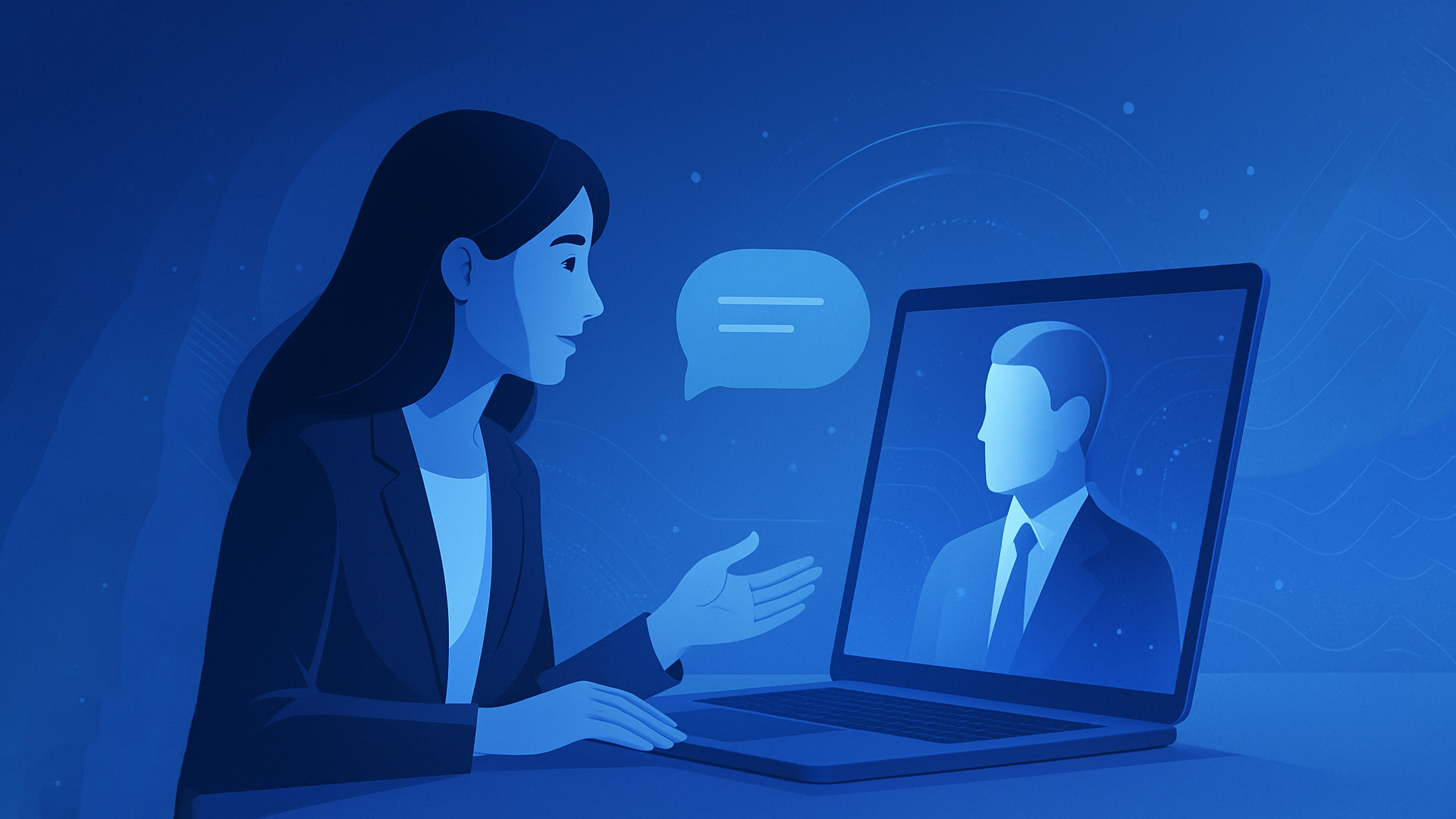
We are now in the age of cognitive agents. The difference isn’t just an upgrade; it’s a fundamental shift in what’s possible for your customer and employee experiences. A chatbot’s job is to answer. A cognitive agent’s job is to understand intentand act.
If you’re still planning your “chatbot strategy,” you’re already behind. Let’s unpack what this new frontier really means.
The Evolution of Conversational AI
To understand where we’re going, we have to be clear about where we’ve been. I see this evolution in three distinct phases.
- Phase 1: The Rule-Based Gatekeeper (The Classic Chatbot) This is the bot we all learned to tolerate. It operates on a simple decision tree. “If the user says ‘password,’ then respond with ‘click here to reset.'” It has no context, no memory, and no flexibility. It’s a wall, not a door.
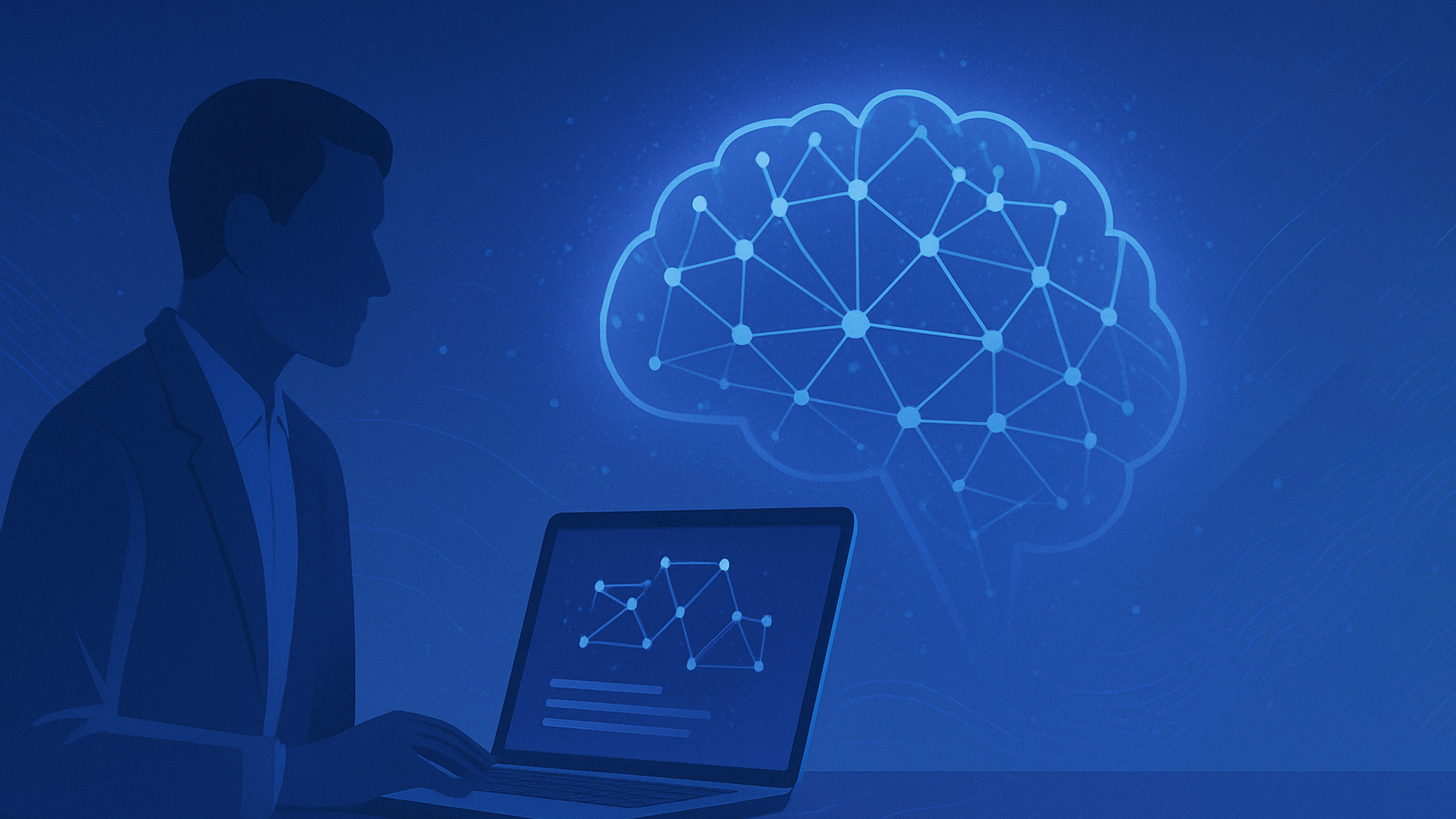
- Phase 2: The Articulate Conversationalist (The LLM-Powered Bot) This is where most of the market is today, thanks to the explosion of Large Language Models (LLMs). This bot is a fantastic talker. It understands nuance, remembers the last few things you said, and can generate human-like, personalized responses. This is the true birth of modern Conversational AI. But it still has a critical limitation: it’s often a brain in a jar. It can talk about what to do, but it can’t do it.
- Phase 3: The Cognitive Agent (The Digital Colleague) This is the new frontier. This agent is Phase 2 plusagency. It’s a brain connected to a body. It has memory, it’s integrated with your tools, and it’s empowered to execute tasks.
What Makes a Cognitive Agent Different?
The leap from a conversational LLM to a cognitive agent isn’t about better conversation. It’s about adding capability and autonomy.
Think of it this way:
- A chatbot is a receptionist with a script.
- An LLM is a brilliant intern you can talk to, but who can’t access any company systems.
- A cognitive agent is your star project manager. You can give it a high-level goal, and it will use its memory, access its tools, and take action to get it done.
Here’s what gives an agent its power:
- Continuous Learning and Contextual Awareness: An agent doesn’t start fresh with every conversation. It remembers you. It knows you’re a power user, not a newbie. It tracks your preferences as they shift over time, so it’s not just personalizing—it’s adapting.
- Deep Integration with Enterprise Data: This is the game-changer. An agent isn’t just a chat window; it’s plugged directly into your core systems. It can read your CRM, check your inventory database, file a ticket in Jira, or update your financial records.
- Proactive Agency: A chatbot waits for a command. An agent anticipates your needs. It doesn’t just say, “Your flight is delayed.” It says, “I see your flight is delayed. I’ve already rebooked you on the 8 PM flight that has Wi-Fi, confirmed your connecting car service, and updated your hotel check-in. Does that new itinerary work for you?”
How Businesses Benefit
This shift from passive-talker to active-doer changes everything.
For Your Customers (Seamless CX)
You’re no longer “deflecting” support tickets. You’re providing a genuinely valuable, intelligent service.
Imagine a publishing platform—let’s call it StoryLab. A simple chatbot would ask, “What genre are you writing?” An LLM-powered bot could discuss plot ideas. A StoryLab cognitive agent actively analyzes the writer’s last three manuscripts, suggests a new plot direction based on real-time market trends it has ingested, formats the first chapter for submission, and schedules a consultation with a human editor for final polish. It becomes an indispensable partner in the creative process, not just a tool.
For Your Teams (Faster Workflows)
This is where I see the most powerful, immediate ROI. Your internal processes are ripe for agent-led automation. Think about employee onboarding. Instead of a static intranet and a pile of PDFs, a cognitive agent actively guides the new hire.
It enrolls them in benefits, provisions their software, schedules their 30-day check-in with their manager, and answers complex policy questions by querying the HR database in real-time. It’s an HR partner, an IT admin, and a team coordinator rolled into one.
What’s Next for Conversational Intelligence?
We’re just at the beginning. The next wave is about making these agents even more human-like and collaborative.
The future isn’t one all-knowing agent; it’s an ecosystem of specialized agents. Imagine a sales agent, a logistics agent, and a customer support agent all collaborating in the background. They’ll solve a complex shipping issue before the customer even knows there’s a problem, with the customer-facing agent communicating the solution seamlessly.
We’re also moving toward true adaptive memory, where agents don’t just recall facts but understand emotional context and adapt their communication style to match yours.
Your Key Takeaway
Stop thinking about “chatbots.” Start thinking about “agents.”
This isn’t a simple upgrade; it’s a strategic shift. You’re not just building a better FAQ page or deflecting support tickets anymore. You are designing and building a new digital workforce. The new business frontier is about merging machine-speed precision with something that feels remarkably like human understanding and intent.
For more deep dives and original AI analysis, visit uniproai.com and subscribe to our research briefs.